Bone Grafting and Sinus Lift: When Are They Necessary in Modern Implantology?
One of the biggest challenges in implant dentistry is insufficient bone volume. Bone grafting and sinus lift procedures allow clinicians to create the necessary foundation for successful implant placement, especially in cases where natural bone has been lost due to tooth extraction, periodontitis or long-term edentulism.
Understanding exactly when these techniques are required helps avoid unnecessary surgery while ensuring high predictability.
Why Bone Volume Matters in Implant Placement
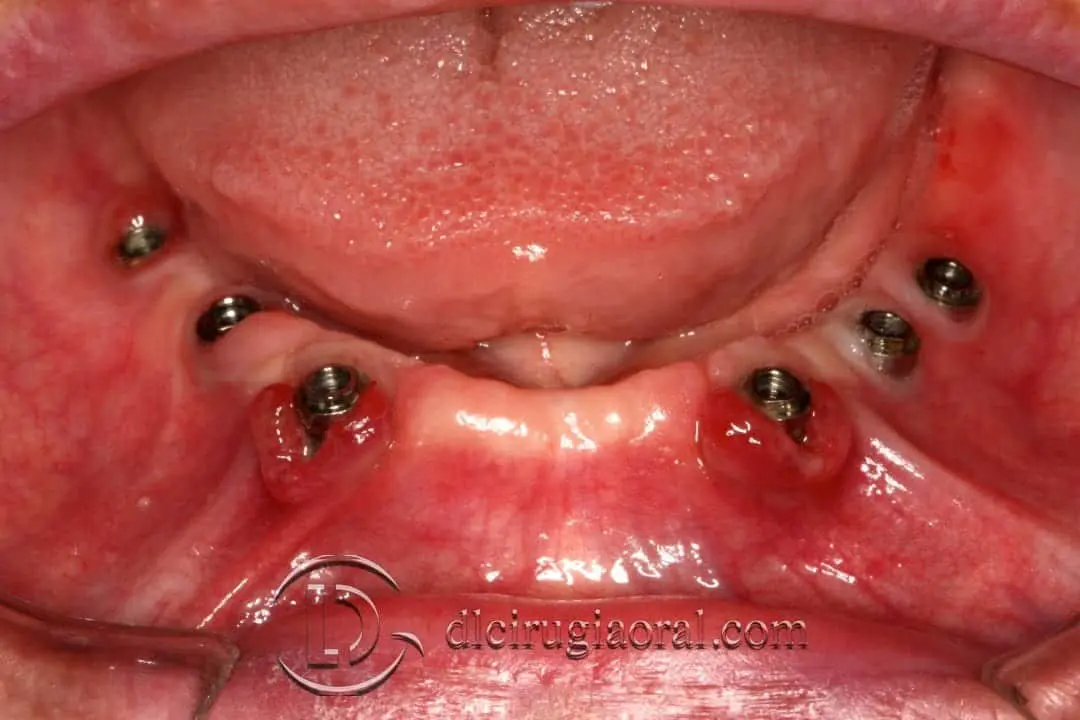
Dental implants need adequate bone height and width to achieve primary stability and long-term osseointegration. In the posterior maxilla, the maxillary sinus often expands after tooth loss, leaving very little bone. In the mandible or anterior areas, horizontal or vertical resorption creates similar problems.
Without bone augmentation for implants, many cases would be untreatable or would require compromised short or angled implants with lower success rates.
When Is Sinus Augmentation (Sinus Lift) Necessary?
Sinus augmentation is typically indicated when residual bone height in the posterior maxilla is less than 6–7 mm. In more aggressive protocols with short implants, it may be considered below 4–5 mm.
Common clinical situations include:
- Long-term missing molars with severe sinus pneumatization.
- History of chronic sinusitis or previous sinus surgery.
- Severe vertical resorption after tooth loss.
Two main approaches exist:
- Lateral window technique (classic and most predictable for large augmentations).
- Crestal / transcrestal approach (less invasive, ideal for moderate deficiencies).
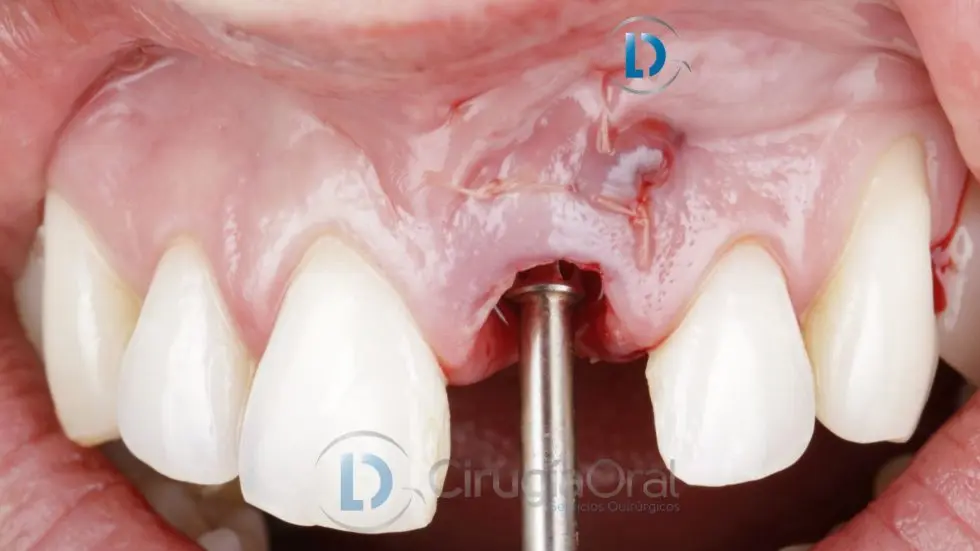
When Horizontal or Vertical Bone Grafting Is Required
Bone grafting and sinus lift are not only for the maxilla. Horizontal bone augmentation is needed when ridge width is less than 5–6 mm, and vertical bone augmentation becomes essential when height is insufficient for the desired implant length.
Common techniques include:
- Guided Bone Regeneration (GBR) with membranes.
- Onlay block grafts (autogenous or allogeneic).
- Ridge split procedures.
- Socket preservation at the time of extraction.
Modern Materials and Biological Enhancements
Today clinicians use a combination of:
- Xenografts (most common due to availability and low resorption).
- Autologous bone (gold standard for vitality).
- Allografts and synthetic biomaterials.
- Growth factors such as PRF (Platelet Rich Fibrin), rhPDGF or BMPs.
These biological enhancements accelerate healing and improve graft integration.
Decision-Making Protocol
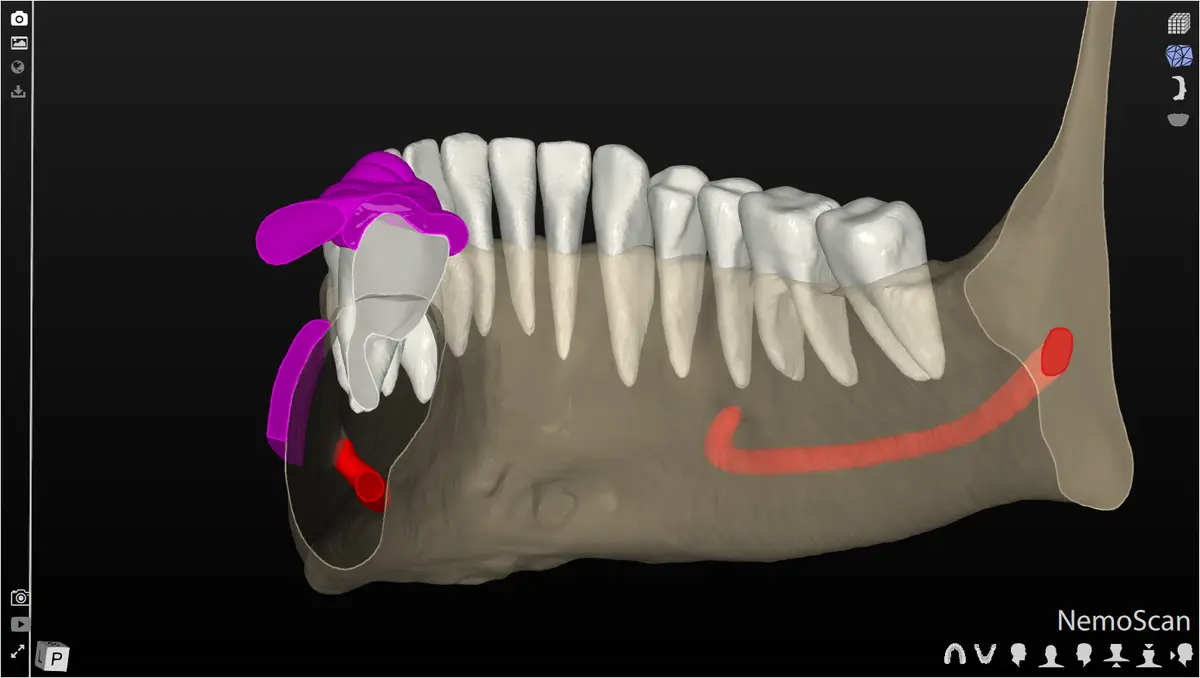
- Thorough CBCT analysis of bone dimensions and anatomy.
- Prosthetic-driven planning to determine ideal implant position.
- Evaluation of patient systemic factors (smoking, diabetes, medications).
- Choice between simultaneous implant placement or staged approach.
With proper planning and execution, complication rates for bone grafting and sinus lift remain low (membrane perforation being the most common, usually <10–15% in experienced hands).
Why Mastering These Techniques Is Essential
Dentists who master regenerative procedures can treat a much wider range of patients in their own practice instead of referring complex cases. This increases clinical confidence, practice revenue and patient satisfaction.