Dental Implants vs Bridges vs Dentures: Which Tooth Replacement Option Is Best?
When patients lose one or more teeth, one of the most common questions they ask is: what is the best solution? Many dentists and patients end up comparing dental implants vs bridges vs dentures to find the option that best balances function, aesthetics, comfort and long-term health.
This comprehensive guide analyzes the real pros and cons of each tooth replacement option so you can make better clinical recommendations.
Advantages of Dental Implants
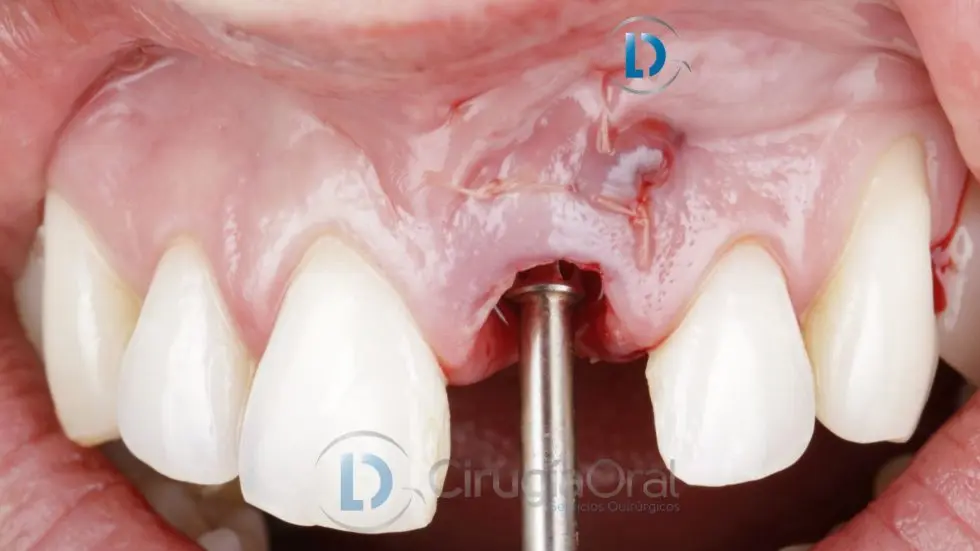
Dental implants are the only tooth replacement option that mimics the natural tooth root. They stimulate the jawbone through osseointegration, providing excellent bone preservation and preventing the facial collapse that occurs with bone loss. Patients report chewing food comfortably again, speaking without worry, and smiling with confidence.
Survival rates exceed 95–98% after 10 years when placed and restored correctly. They also protect neighboring teeth because no preparation is needed.
The Limitations of Traditional Bridges
Bridges are a fixed solution that uses adjacent teeth as support. While they can be a good middle-ground in some cases, they come with clear downsides: healthy teeth must be reduced, increasing risk of decay, sensitivity or fracture later. They do not preserve bone under the pontic, so resorption continues over time.
Why Dentures Often Underperform Long-Term
Implants vs dentures is where the biggest difference appears. Traditional removable dentures are the cheapest initial option, but they accelerate bone resorption, leading to loose fit, sore spots, reduced chewing power and a sunken facial appearance. Many patients end up needing frequent relines or new sets every few years.
Clinical Decision Guide: When to Recommend Each Option
- Single or few missing teeth in good bone → Dental implants are usually the best choice.
- Multiple missing teeth with strong adjacent teeth and budget limits → bridges can be acceptable.
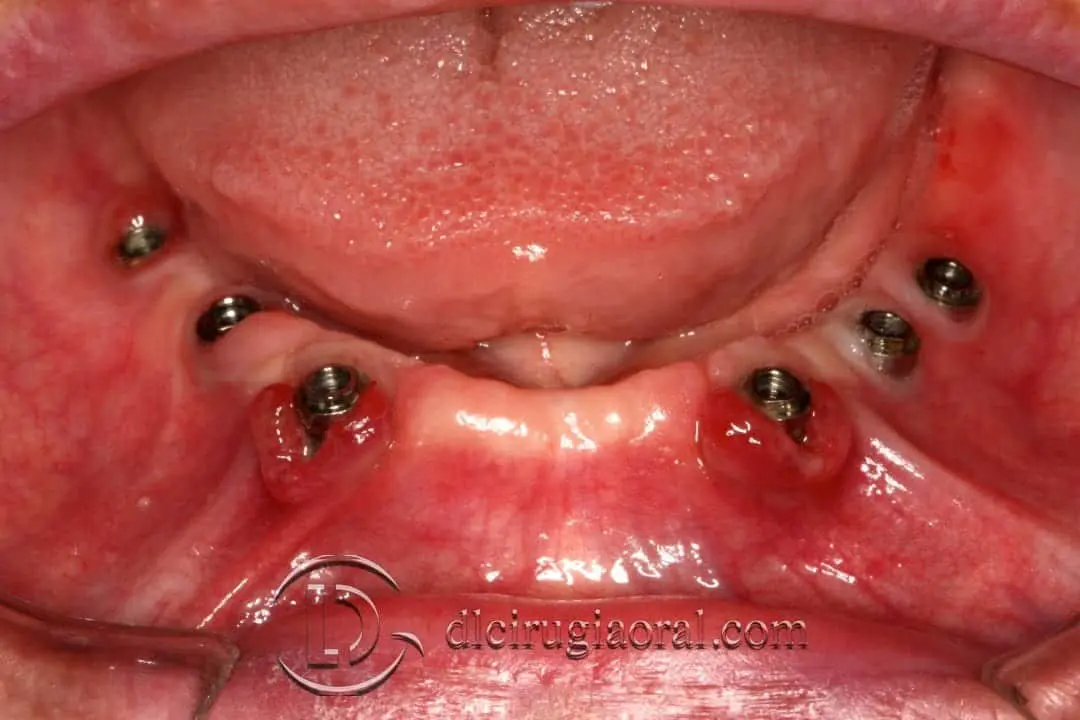
- Full edentulism or poor bone → implant-supported overdentures or full-arch fixed bridges dramatically outperform conventional dentures.
For dentists, being able to offer high-quality implant solutions instead of referring out complex cases increases both professional satisfaction and practice revenue.